

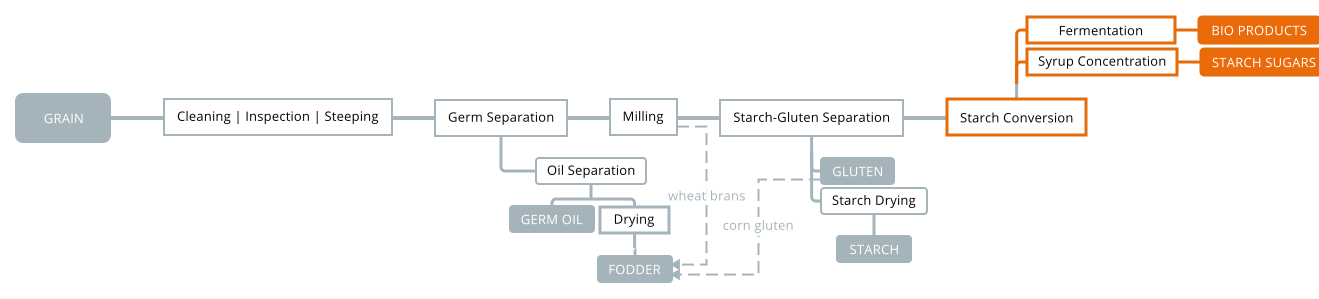
Processing of grains
Grains are utilized for a full range of products and ingredients for various industries. In dry milling plants the whole kernel is fed to the bioprocess. Wet milling facilities – as illustrated above – separate the components of the kernel such as germs, gluten and starch into single products. (Vogelbusch proprietary processes in orange)
Pretreatment of starch based feedstocks
After cleaning and sieving to remove dirt and other foreign matter, agricultural raw materials are crushed and ground in a milling section.
Starch (milk) from wet milling plants does not require any special treatment and can be fed directly to hydrolyzation, which is the next step of processing to convert the starch to sugar molecules.
Concepts
Grains such as corn, wheat or milo and tubers such as cassava are milled before they are sent to starch conversion (hydrolyzation).
Applications
Appropriate milling or grinding methods are selected depending on the specific process requirements and our specification of particle size distribution of the flour.
Equipment options include hammer mills, roller mills and combinations of both, and in some cases the recycle of oversized fractions.
- Dry Milling vs Wet MillingTwo different approaches in grain processing
Concepts
To derive the sugar which is required for our bioprocesses, starch is processed (“hydrolyzed”) in a two-step conversion using dedicated types of enzymes as catalysts. In the liquefaction step, the long chains of starch molecules are broken into smaller fractions (dextrins). During saccharification, single glucose monomers are released from starch or dextrins. Another kind of enzyme is used to gain maltose from dextrins.
Applications
The resulting hydrolysate can
- serve as a feedstock in the production of alcohol, yeast, organic acids and other fermentation products
- be converted to specific starch sugars such as dextrose anhydrate / monohydrate / syrup, high fructose syrups and maltodextrin
Vogelbusch has unique expertise with liquefaction and saccharification from its proprietary technologies and has energy saving solutions to reuse the energy (steam) necessary for the process by thermal integration with other plant sections.
References
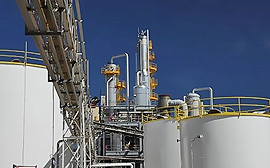 Bioethanol Plant in Cedar Rapids
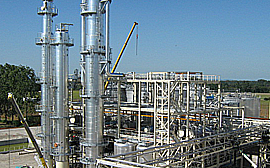 Bioethanol Plant in Beinheim
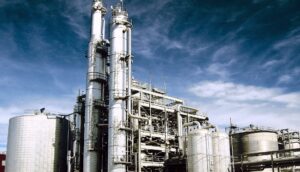 Bioethanol Plant in Lexington
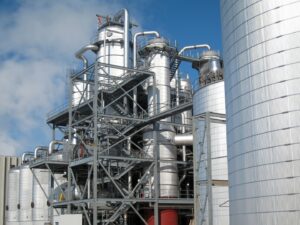 Bioethanol Plant in Casselton
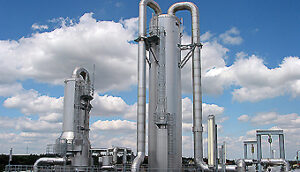 Bioethanol plant in Zeitz
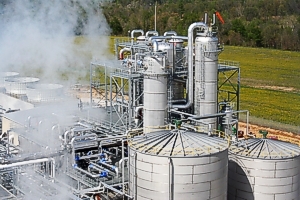 Bioethanol Plant in USA
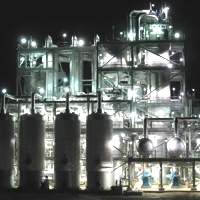 Bioethanol Plant in Mount Vernon
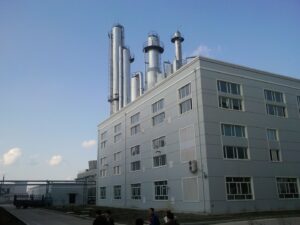 Neutral Alcohol Plant in Harbin
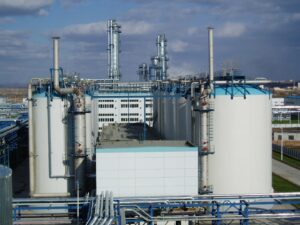 Bioethanol Plant in Jilin
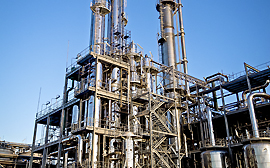 Alcohol Plant in Alejandro Roca
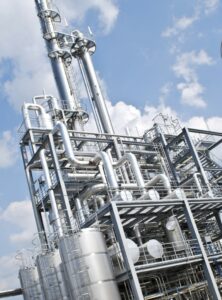 Neutral Alcohol Plant in Verinsko
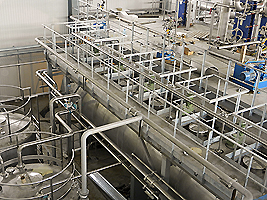 Glucose plant for processing compex in Ishim
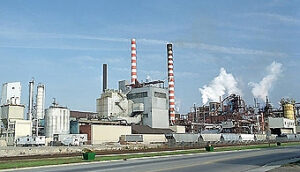 Bioethanol Plant in Pekin
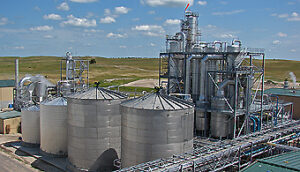 Bioethanol Plant in Ravenna
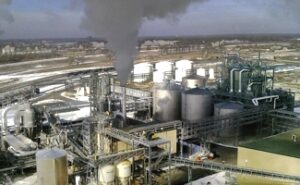 Bioethanol Plant in Madison
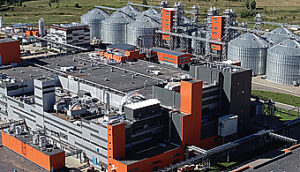 Biotechnological Complex in Kaluga
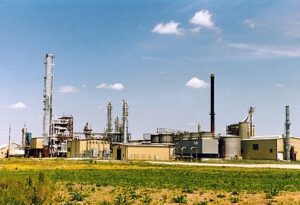 Bioethanol Plant in Hastings


