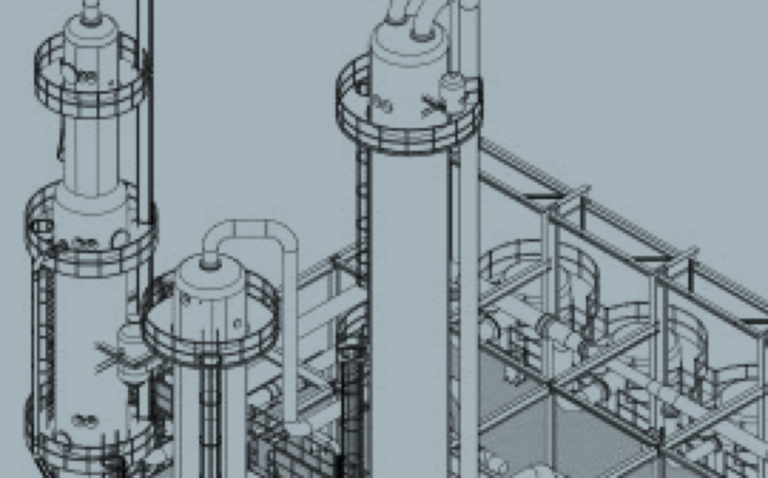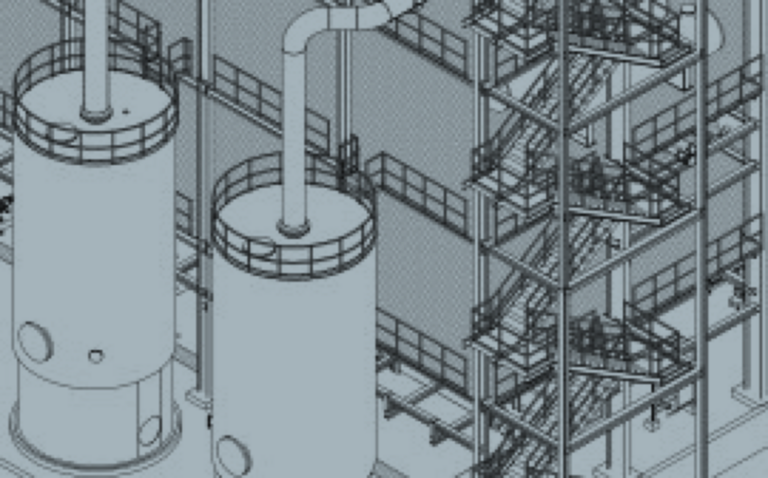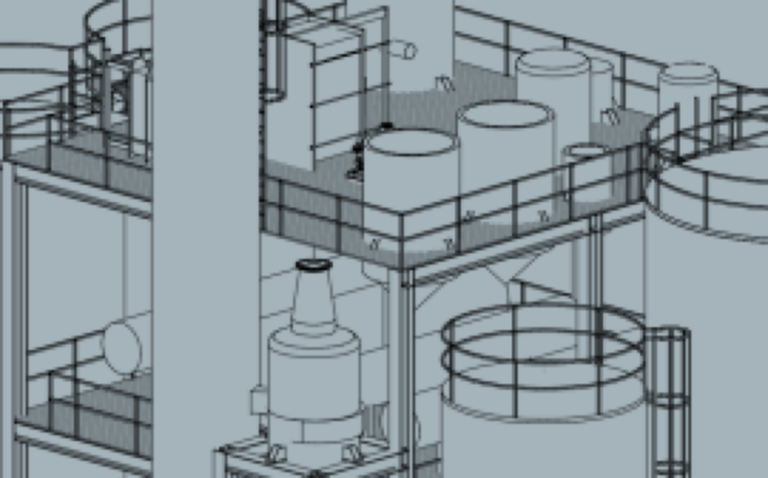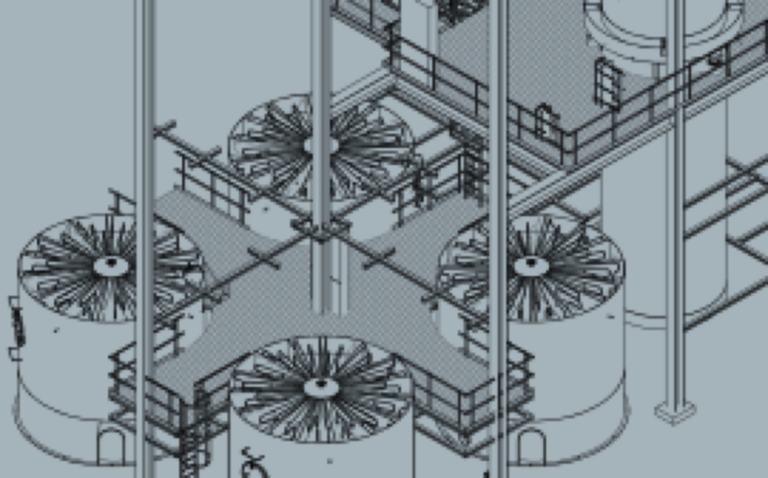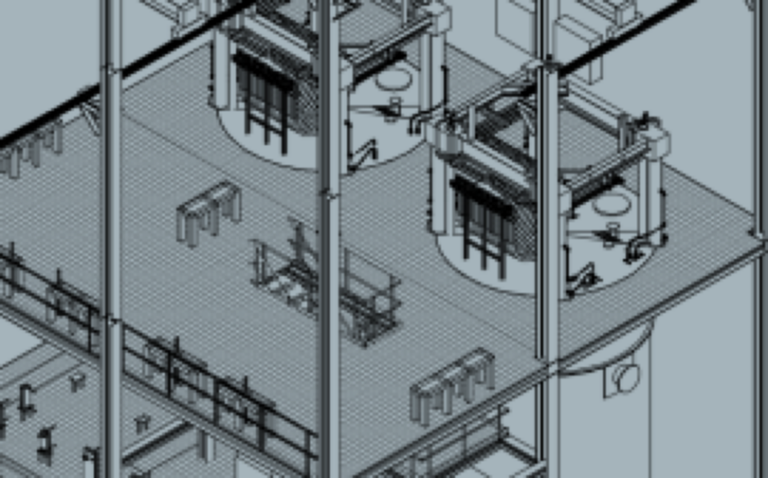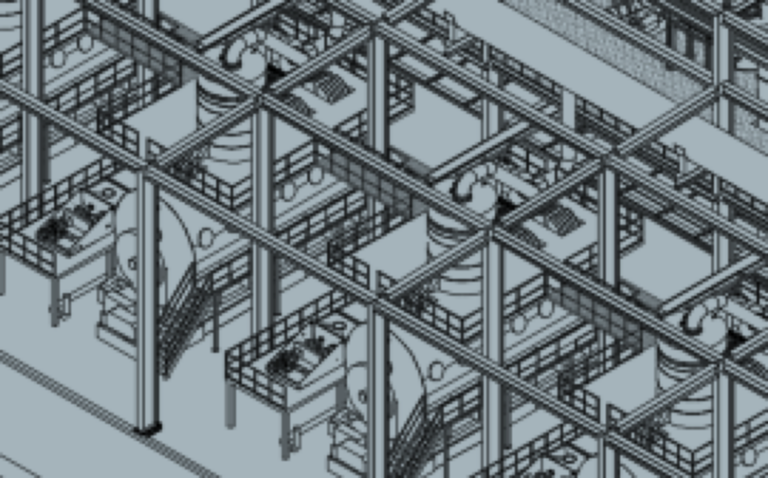

Vogelbusch Citric Acid Technology
Citric acid is one of the most indispensable and frequently used organic acids. It is in widespread use as an acidifier, a pH buffer and — in combination with other materials — as a preservative by the food processing and beverage industries. Its complexing characteristics and its biodegradability make it a favored ingredient in detergents, pharmaceuticals and cosmetics.
Citric acid occurs naturally in various citrus fruits. To cover the industrial demand, large scale production of citric acid is based on hydrolysates made from various starch types, as well as on cane or beet molasses and on sugar.
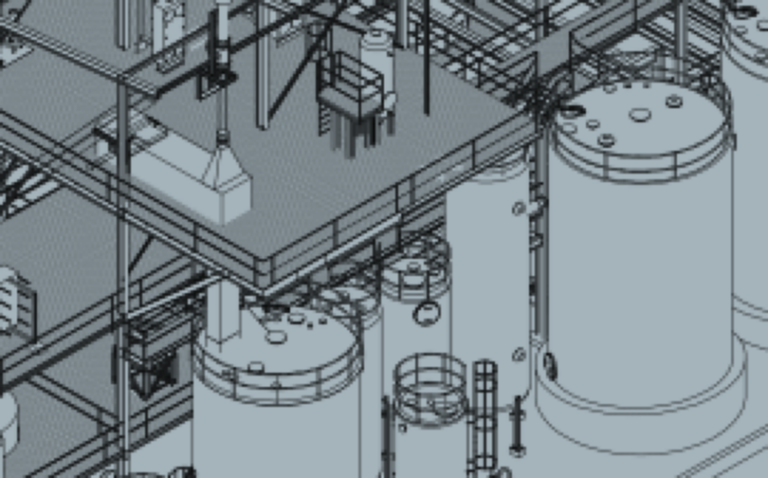
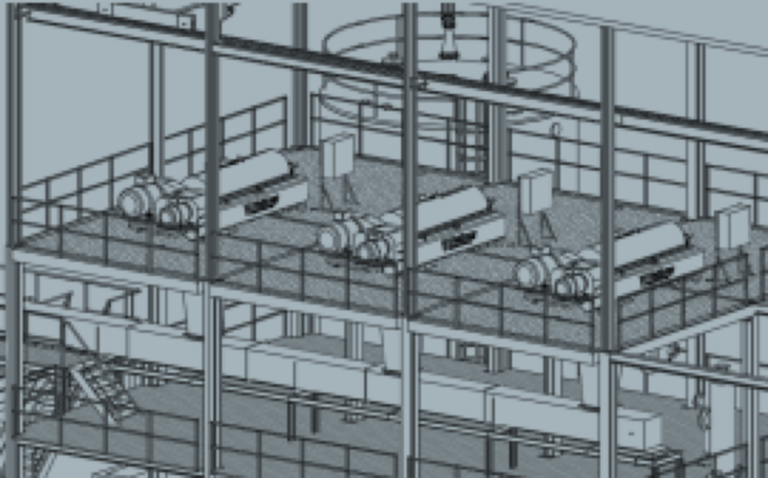
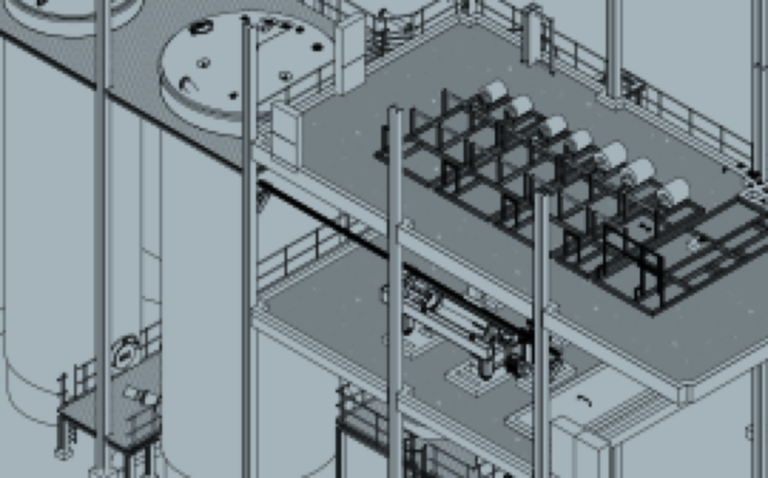
We design citric acid plants with proprietary technology and supply the equipment.
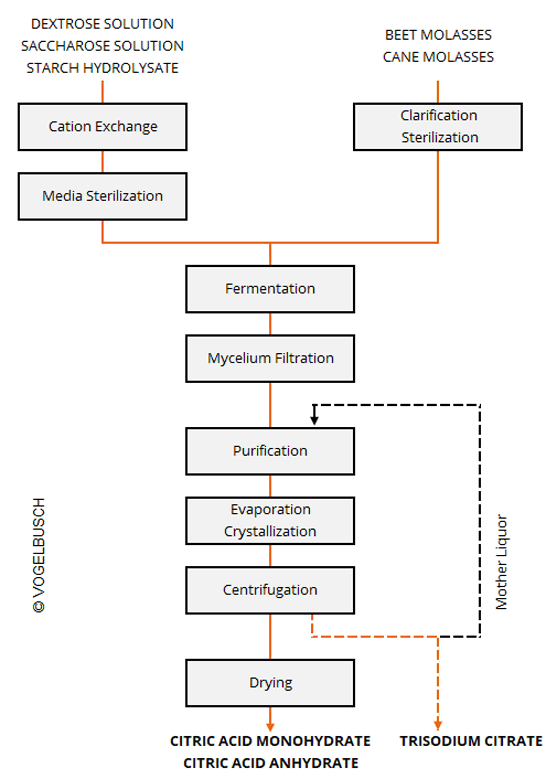
Block diagram
Vogelbusch process for citric acid production
A proprietary strain of Aspergillus niger is used for citric acid fermentation. The product is subject to a series of isolation, purification and finishing steps.
Handling impurities in the substrates
RAW MATERIAL PREPARATION
In view of the very different degrees of contamination of substrates, Vogelbusch has adapted its raw material processing technologies to the respective situation.
Molasses often requires hexacyanoferrate clarification, with simultaneous boiling and sterilization.
For starch hydrolysates with relatively low impurity, as well as for sugar solutions, raw material preparation consists of decationization and subsequent continuous sterilization processes.
Fermentation
BIOREACTION
Vogelbusch licenses is own strains of Aspergillus niger, which have been selected and enhanced for use in industrial citric acid fermentation.
We match our fermentation procedures precisely to the raw material used as to maximize yields. To start the process, the sterilized substrate in the fermenter is inoculated with spores that have been propagated and pilot tested in the on-site laboratory. The well-aimed addition of nutrients, trace elements and specific inhibitors regulates the metabolic activity of the micro-organisms and thus provides for constant high production rates.
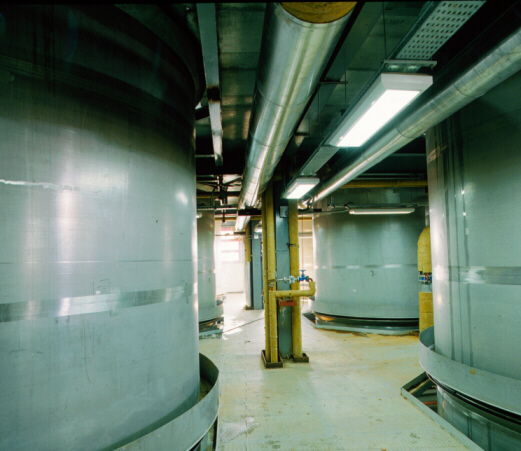
Our bubble column (air-lift) fermenter system for submerged citric acid fermentation sets itself apart with its simple design and its particularly low energy consumption.
Spore propagation
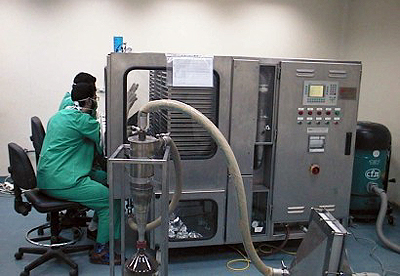
A precondition for an efficient microbial production process is the availability of high-quality inoculation material. To start the citric acid synthesis, the inoculation material is added to the fermenter in the form of spores. Vogelbusch has developed appropriate technology for spore propagation, harvesting and testing, taking account of the demand for high quality for this material. The spores are dried, improving both storage stability and the ease of dosing in application.
More on Vogelbusch Sporebox
Process parameter
Summary of process parameters achieved in the fermentation process, taking pure substrate (raw sugar, glucose, hydrolysate) and molasses as an example
| Parameter | Unit | Pure substrate | Molasses |
|---|---|---|---|
| Yield | g CAM / g DS* | min 0.84 | min 0.80 |
| Final concentration | g CAM / l | min 140 | min 100 |
| *) fermentable sugars as disaccharide | |||
Depending on raw material quality and the impurity of the fermented mash, a final yield of 90 to 92 % is achieved in the product isolation and purification stages.
Separation and conditioning of final products
PRODUCT ISOLATION AND CONCENTRATION
The aim of isolating the citric acid is to obtain a largely pre-purified citric acid solution from the fermented mash. The mycelium is separated from the raw solution in a series of filtration and decantation steps.
While most of our plants use the traditional lime-sulfuric acid process for purification, this step can be substituted now by chromatographic methods.
Further purification of the citric acid is effected by treating the isolated citric acid solution with activated carbon, cation and anion exchange resins in fixed bed reactors. Thanks to their automation and reactor design concept, these process stages also meet all the demands of a modern production process.
The final processing of the citric acid solution involves concentrating this in a multistage falling film evaporator that combines the advantages of delicate product handling with high energy efficiency. The specific energy requirement can be reduced even further by means of thermal vapor compression or, alternatively, by mechanical vapor compression.
Continuously operated forced-circulation vacuum crystallizers are used to crystallize the citric acid. The appropriate measuring and control strategies, along with a crystallizer design matched to suit them, enable Vogelbusch plants to produce both citric acid monohydrate and anhydrous using the same equipment. Sophisticated strategies for the recirculating the mother liquor, separated from the crystal mash in a continuous centrifuge, make it possible to effectively control of the quality of the final product.
Fluidized bed drying takes full account of the high demands for the quality of the final product by providing delicate product handling. Subsequent screening of the dried final product allows customer-specific fractioning according to particle size.
Quality built to international standards
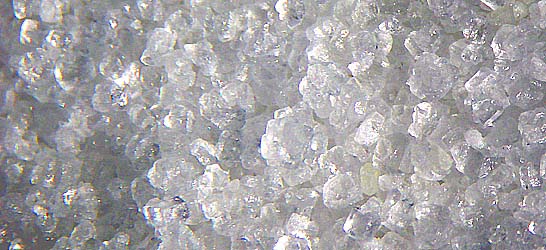
Citric acid is made in both crystalline and liquid forms. Our product purification and crystallization processes are compatible with a wide range of product grades including
- Citric acid monohydrate (CAM)
- Citric acid anhydrate (CAA)
- Syrup
- Trissodium citrate (TSC)
They comply with international quality standards for food, industrial and pharmaceutical grades, including BP, USP and FCC.
Producer-independent technology provider
How you benefit from our expertise
- Own development of high-performance production technology
- In-house laboratory available to test and optimize the process for individual raw materials
- Selected, tried-and-tested upstream and downstream processes ensure optimum product quality
- Proprietary apparatus for spore propagation and pilot fermentation
- Reference projects spread across four continents
Average consumption figures for citric acid production
All figures given here are typical and can vary depending on plant configuration and equipment.
| Consumption for 1,000 kg CAM | ||
|---|---|---|
| Glucose | kg | 1.350 |
| Process water * | m³ | 48 |
| Demineralized water | m³ | 16 |
| Cooling water 24 °C ** | m³ | 470 |
| Cooling water 29 °C *** | m³ | 260 |
| Steam 9 bar | kg | 7.200 |
| Electrical energy | kWh | 2.350 |
**) dt = 4.5K
***) dt = 10K
Additionally chemicals are required; consumption depends on raw material quality and process combination.
| Consumption for 1,000 kg CAM | ||
|---|---|---|
| Beet molasses | kg | 3,000 |
| Sugar content * | % | 50 |
| Process water ** | m³ | 45 |
| Demineralized water | m³ | 2 |
| Cooling water 24 °C *** | m³ | 550 |
| Cooling water 29 °C **** | m³ | 280 |
| Steam 9 bar | kg | 7,200 |
| Electrical energy | kWh | 2,500 |
**) Actual process demand; overall consumption can be reduced by recycling of treated waste water.
***) dt = 4.5K
****) dt = 10K
Additionally chemicals are required; consumption depends on raw material quality and process combination.
FAQ
All information given here is typical and can vary depending on plant configuration. For particular information please send us a message with your project details.
The minimum plant capacity for an economic production of citric acid is 20,000 tons per year.
For a 20,000 tons per year facility 5 hectare are required.
Capital expenditure always depends on plant capacity and configuration as well as local conditions. Costs for the process plant (excluding building, auxiliaries, infrastructure) are 41 million euros ± 25%.
This figure is for general reference only since each project has its own particularities that need consideration.
With permits on hand engineering and construction takes 24 – 30 months.
Complete our citric acid design questionnaire and send it back to us to get a professional opinion on your project.